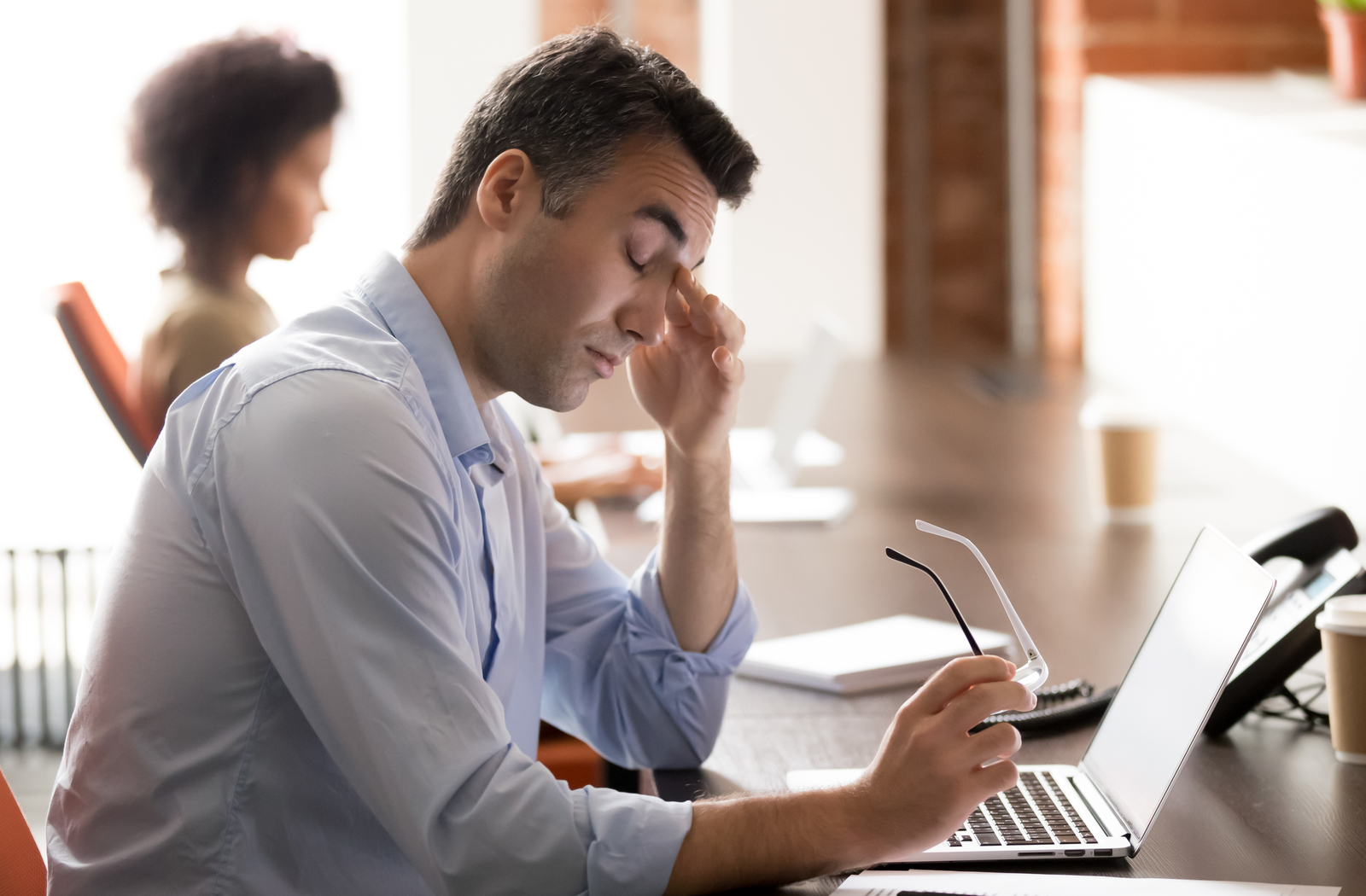
Understanding Eye Strain: Common Symptoms and Causes
Understanding Eye Strain is essential in today’s digital age, where prolonged screen time has become a norm. Eye strain, also known as asthenopia, occurs when your eyes become tired from intense use. Common symptoms include discomfort, fatigue, and a burning sensation in the eyes. Individuals may also experience headaches, blurred or double vision, and difficulty focusing. It’s important to recognize these signs early, as they can lead to more serious issues if ignored.
The causes of eye strain are varied, but they often relate to inadequate lighting, improper viewing distances, and screen glare.
- Digital devices: Frequent use of computers, tablets, and smartphones.
- Lighting conditions: Bright or dim lighting can strain the eyes.
- Uncorrected vision problems: Not using prescription lenses when needed can exacerbate symptoms.
Counter-Strike is a popular first-person shooter game that focuses on team-based gameplay, where players assume the roles of terrorists or counter-terrorists. The game has evolved over the years, with various iterations including Counter-Strike 1.6, Counter-Strike: Source, and the latest, Counter-Strike: Global Offensive (CS:GO). Players often spend long hours in front of their screens, making it essential to consider Top 10 Phone Accessories for Eye Strain to enhance comfort and reduce fatigue.
10 Tips to Reduce Eye Strain from Screens
In our digital age, eye strain has become a common issue due to prolonged screen time. To combat this discomfort, try implementing the 20-20-20 rule: every 20 minutes, look at something 20 feet away for at least 20 seconds. This simple technique allows your eyes to relax and reduces fatigue. Additionally, adjusting your screen brightness to match your surrounding lighting can minimize glare, further preventing eye strain.
Another effective way to reduce eye strain is by ensuring your workspace is ergonomically set up. Keep your screen about an arm's length away and the top of the screen at or just below eye level. Make use of anti-reflective screen filters and don't forget to blink frequently to keep your eyes moist. Incorporating regular breaks throughout your day, such as a quick stroll or stretching, can also help maintain eye health and overall well-being.
Is Your Screen Time Affecting Your Vision?
In today's digital age, screen time has become an integral part of our daily routines, whether for work, entertainment, or social interaction. However, excessive screen usage can lead to a variety of vision-related issues. Symptoms such as eye strain, dryness, and discomfort are commonly reported by individuals who spend prolonged periods in front of screens. This phenomenon, often referred to as computer vision syndrome, can affect anyone, from students to working professionals. To mitigate these effects, it is crucial to implement strategies like the 20-20-20 rule, which suggests that every 20 minutes, you should look at something 20 feet away for at least 20 seconds.
In addition to the physical symptoms, increased screen time may also contribute to long-term eye health issues, such as nearsightedness. Research indicates that the blue light emitted by screens can disrupt sleep patterns and cause digital eye strain. To protect your vision, consider using blue light blocking glasses, adjusting screen brightness, and ensuring proper lighting in your work environment. It’s essential to prioritize regular eye examinations to monitor any changes in your vision, especially if you find yourself spending more time on devices. Taking small steps today can lead to significant benefits for your eye health in the future.