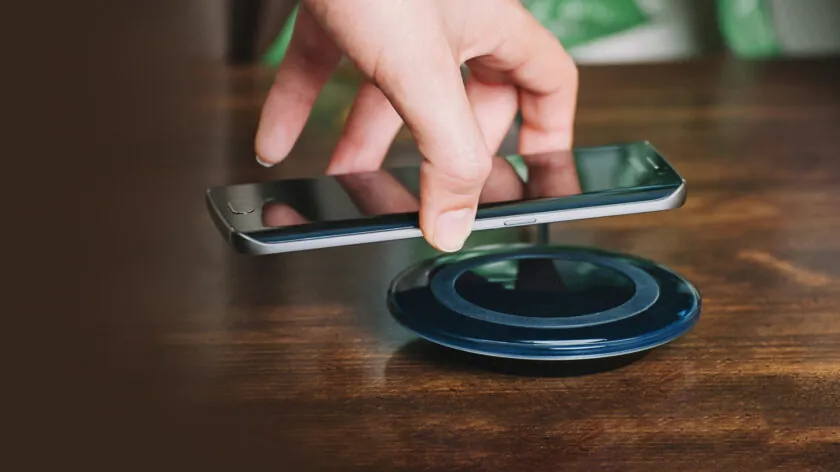
The Evolution of Wireless Charging: From Concepts to Everyday Convenience
The journey of wireless charging began with theoretical concepts as early as the late 19th century, when Nikola Tesla dreamed of transmitting power through the air. However, it wasn't until the late 20th century that practical applications emerged. Initial prototypes utilized magnetic resonance and inductive coupling, laying the groundwork for modern wireless charging technologies. In 2007, the introduction of the Qi standard marked a significant milestone, creating a unified platform that enabled devices from various manufacturers to charge wirelessly. This development sparked a wave of innovation, turning wireless charging from a mere concept into a feasible solution for consumers.
Today, wireless charging has become an integral part of our daily lives, offering unparalleled convenience and ease of use. No longer do we fumble with cables and connectors; instead, devices can charge simply by being placed on a compatible pad or surface. The rise of smartphones, smartwatches, and other portable electronics embracing wireless charging has accelerated its adoption across various sectors. As technology continues to evolve, advancements like fast charging and the focus on improving efficiency are paving the way for an even more interconnected future where cords may soon become a relic of the past.
Counter-Strike is a highly popular first-person shooter game that pits teams of terrorists against counter-terrorists in a variety of objective-based scenarios. Players can earn in-game currency by completing objectives or defeating opponents, which they can then use to buy weapons and equipment for subsequent rounds. If you're looking to elevate your gaming experience, check out the Top 10 iphone 17 pro max accessories that can enhance your mobile gaming performance. The game has a vibrant esports scene and continues to evolve with regular updates and community support.
Top 5 Ways Wireless Technology is Enhancing Our Daily Lives
Wireless technology has revolutionized the way we communicate and interact with the world around us. One of the most significant impacts is the ease of connectivity. With the advent of smartphones, tablets, and laptops equipped with Wi-Fi and cellular capabilities, we can stay connected anytime, anywhere. This means that we can effortlessly conduct business meetings, keep in touch with loved ones, and access information at the touch of a button. Whether it's through video calls or instant messaging, wireless technology enhances our daily lives by bringing people closer together, regardless of geographical barriers.
Moreover, wireless technology facilitates the growth of the Internet of Things (IoT), creating an interconnected ecosystem that simplifies everyday tasks. From smart home devices that allow us to control lighting and temperature remotely to wearables that track fitness and health metrics, the integration of wireless technology helps optimize our routines and improves our overall quality of life. For instance, smart home security systems can send alerts to your phone when unusual activities are detected, providing peace of mind while you're away. In summary, the enhancements brought by wireless technology are not just convenient; they are transforming the way we live and interact with our environments.
Can Wireless Charging Replace Traditional Methods? Pros and Cons
Wireless charging has gained significant traction in recent years, thanks to its convenience and the ever-increasing number of devices that support this technology. One of the main pros of wireless charging is the elimination of tangled cords and the hassle of plugging in devices. With the ability to simply place your smartphone or other compatible gadgets on a charging pad, it simplifies the process, making it more user-friendly, especially in public spaces. However, there are also drawbacks to consider, such as slower charging speeds compared to traditional wired methods and potential overheating issues. Furthermore, the initial investment in a wireless charging setup can be higher, which may deter some consumers from making the switch.
On the other hand, traditional charging methods, while often faster and more energy-efficient, can be less convenient in today’s fast-paced world. A key consideration when evaluating whether wireless charging can effectively replace traditional methods lies in the areas of compatibility and accessibility. Many devices still rely on wired technology, and manufacturers are yet to fully integrate wireless charging into their product lines. Moreover, environmental considerations regarding energy wastage during wireless charging processes raise questions about sustainability. Ultimately, while wireless charging presents an exciting future, it may not completely replace traditional charging methods just yet, as both have their unique advantages and limitations.