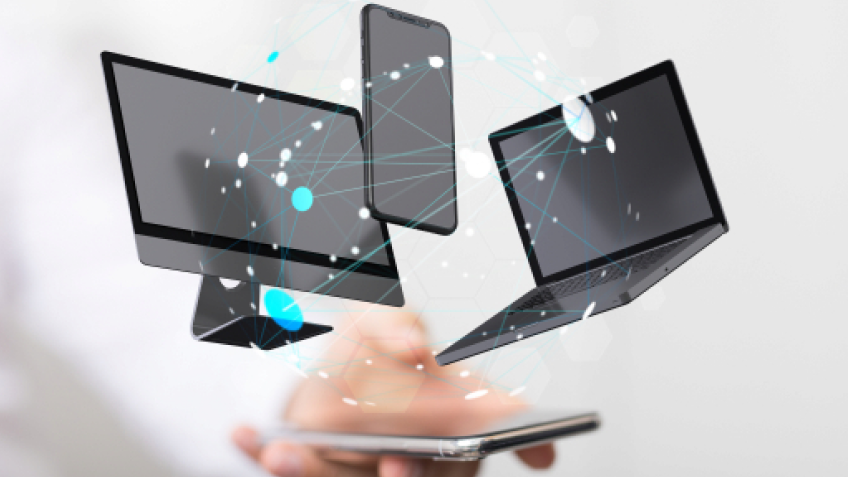
Understanding Device Compatibility: Why Some Gadgets Just Don’t Get Along
In today's tech-savvy world, understanding device compatibility is essential for ensuring that your gadgets work seamlessly together. Many users may find themselves frustrated when a new device fails to interact properly with their existing setup. This incompatibility can arise from various factors, including differences in operating systems, outdated protocols, or even hardware limitations. For instance, a smart home device designed for Bluetooth 5.0 will not perform well with a smartphone that only supports Bluetooth 4.0. Therefore, being aware of these specifications is crucial for a smooth user experience.
Moreover, as technology rapidly advances, manufacturers often release firmware updates that can enhance device functionality but may also introduce new compatibility issues. To avoid these pitfalls, consumers should prioritize checking compatibility lists and user reviews before making purchases. Utilizing forums and tech blogs can also provide insights from other users who have navigated similar challenges. It’s vital to remember that while some gadgets may boast impressive specifications, their actual performance in a mixed-device environment may vary significantly.
Counter-Strike is a popular first-person shooter game that pits teams of terrorists against counter-terrorists in various scenarios. Players engage in tactical gameplay, utilizing teamwork and strategy to defeat their opponents. For those looking to enhance their gaming setup, check out our Top 10 Wireless Chargers for Pixel Devices. With its competitive scene, Counter-Strike has also become a staple in esports, attracting millions of players and viewers around the world.
The Ultimate Guide to Troubleshooting Device Compatibility Issues
Troubleshooting device compatibility issues can be a daunting task, especially with the wide variety of devices and operating systems available today. The first step in resolving these issues is to identify the source of the problem. Start by checking the device specifications and ensuring that they meet the minimum requirements for the software or application in question. If you're encountering issues with a specific app, consider updating it to the latest version, as developers frequently release patches aimed at improving compatibility across various platforms. Additionally, reviewing the software's official documentation can provide insights into known compatibility issues and suggested fixes.
Once you've assessed the basics, consider using an online compatibility checker to diagnose the problem further. These tools can analyze the specific device and software configurations, allowing you to pinpoint discrepancies. If you continue to face challenges, don’t hesitate to reach out to the support teams of the software or device manufacturer. They can often provide tailored solutions based on your specific setup. Remember, understanding device compatibility issues not only improves user experience but also ensures that you can make the most of your technology investments.
Are Your Devices Speaking the Same Language? Exploring Common Compatibility Problems
In today's interconnected world, ensuring that your devices are speaking the same language is crucial for seamless functionality. Compatibility issues can arise from differing operating systems, software versions, or hardware capabilities. For instance, when attempting to connect a smartphone to a wireless printer, one might encounter difficulties if the printer's firmware is outdated or if the phone doesn't support the necessary connection protocol. Understanding the common compatibility problems can save you time and frustration, allowing for a more efficient tech experience.
Furthermore, issues can occur when trying to sync devices across various platforms. Incompatible applications or file formats can create roadblocks that prevent synchronization or data transfer. For example, a file created on a Windows computer may not open correctly on a Mac without the right software. To avoid these complications, it's essential to check for device compatibility and to keep all software and firmware updated. Being proactive about these common problems ensures that your devices work harmoniously, paving the way for an effective digital lifestyle.