How Do Adapters Solve Common Connectivity Issues?
In today's digital landscape, connectivity issues can be a significant roadblock for users trying to link various devices. Adapters play a crucial role in solving these common connectivity challenges by bridging different types of ports and interfaces. For instance, a HDMI to VGA adapter allows users to connect modern devices with HDMI outputs to older monitors or projectors that only support VGA inputs. By converting the signal format, these adapters help maintain the quality of the audio and video being transmitted, ensuring a seamless user experience.
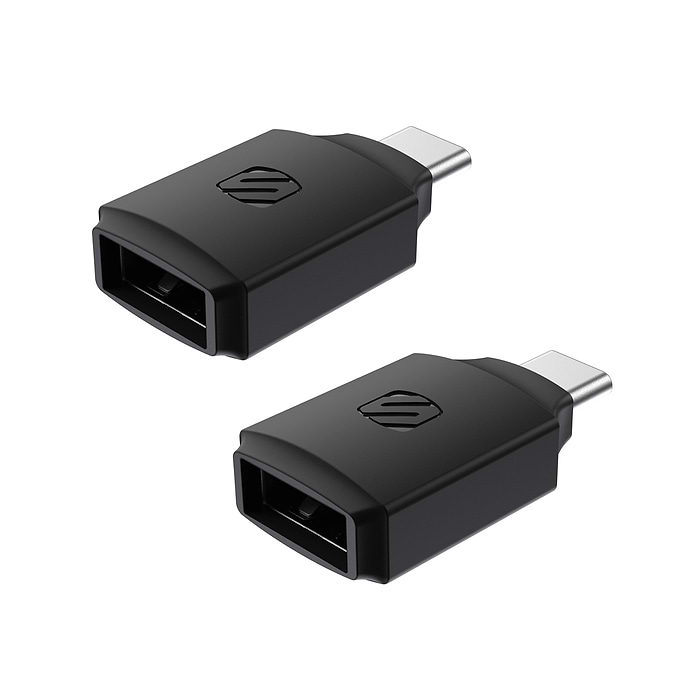
Another common scenario where adapters are essential is when dealing with wireless connectivity. Many laptops and smartphones lack the traditional USB ports needed to connect certain peripherals. A USB-C to USB-A adapter not only enables users to connect these older USB devices but also allows for faster data transfer and charging capabilities. By providing a solution to these connectivity issues, adapters enhance the functionality of devices and extend their usability, making them an indispensable tool in our tech-savvy lives.
Counter-Strike is a highly popular first-person shooter game that has captivated players since its inception. Teams of terrorists and counter-terrorists engage in tactical combat, requiring both strategy and skill. For those interested in enhancing their gaming experience while traveling, check out the Top 10 travel tech accessories that can make your adventures more enjoyable.
Top 5 Adapters Every Tech User Should Consider
In the fast-paced world of technology, having the right tools at your disposal can significantly enhance productivity and convenience. Adapters are often the unsung heroes in our tech arsenal, allowing us to connect various devices seamlessly. Here are the top 5 adapters that every tech user should consider:
- Universal USB-C Adapter: With many devices transitioning to USB-C, a universal adapter can connect your laptop to HDMI, USB-A, and even Ethernet ports, ensuring compatibility across a range of devices.
- Bluetooth Adapter: If your desktop or older devices lack Bluetooth capability, a Bluetooth adapter can enable wireless connectivity for keyboards, mice, and headphones.
- HDMI Splitter: For those who often work with multiple displays, an HDMI splitter can duplicate or extend your screen, making multitasking easier.
- Lightning to 3.5mm Adapter: Essential for iPhone users, this adapter allows you to connect standard headphones or speakers without sacrificing audio quality.
- USB Hub: As tech users accumulate more devices, a USB hub expands the number of ports available, facilitating the connection of multiple peripherals simultaneously.
The Ultimate Guide to Choosing the Right Adapter for Your Needs
When it comes to selecting the right adapter for your devices, understanding your specific needs is crucial. Different devices require different types of adapters, and choosing the wrong one can lead to compatibility issues. To make an informed decision, consider the type of adapter you need, whether it's for charging, data transfer, or connecting peripherals. Here are a few factors to keep in mind:
- Device Compatibility: Ensure that the adapter works with your device model.
- Power Requirements: Check the voltage and amperage ratings to prevent damage.
- Port Type: Identify whether you need USB-C, HDMI, or another port type.
Moreover, read reviews and seek recommendations to find reliable brands. Also, think about your budget; while cheaper options might seem tempting, investing in a quality adapter can save you from future hassles. If you're constantly on the go, consider an adapter with built-in cable management or one that is compact and lightweight. In conclusion, taking these factors into account will lead you to the right choice, ensuring your devices stay connected and charged without any issues. Remember, the right adapter not only enhances your productivity but also extends the lifespan of your devices.